18 Things to Know Before Visiting Antarctica (What No One Tells You)
I thought I knew what to expect before my 22-day expedition to Antarctica, South Georgia, and the Falklands with National Geographic–Lindblad. I read all the articles, did deep dives on reddit and still discovered that there were things I missed (or misunderstood) once I got there.
If you’re planning a trip to Antarctica, these are the things I really wish someone had explained to me beforehand… and a few things that genuinely surprised me once we arrived.
Here’s the quick reality check most people don’t get before they go:
-
It’s not a luxury cruise
-
Weather (and wildlife) control EVERYTHING
-
You’ll wear the same clothes and muck boots on repeat
-
Seasickness is possible (but manageable)
-
South Georgia is worth the splurge
If you’re still in the planning phase, start with my Ultimate 22-Day Antarctica Expedition Guide, which breaks down routes, costs, and what each stop is actually like.
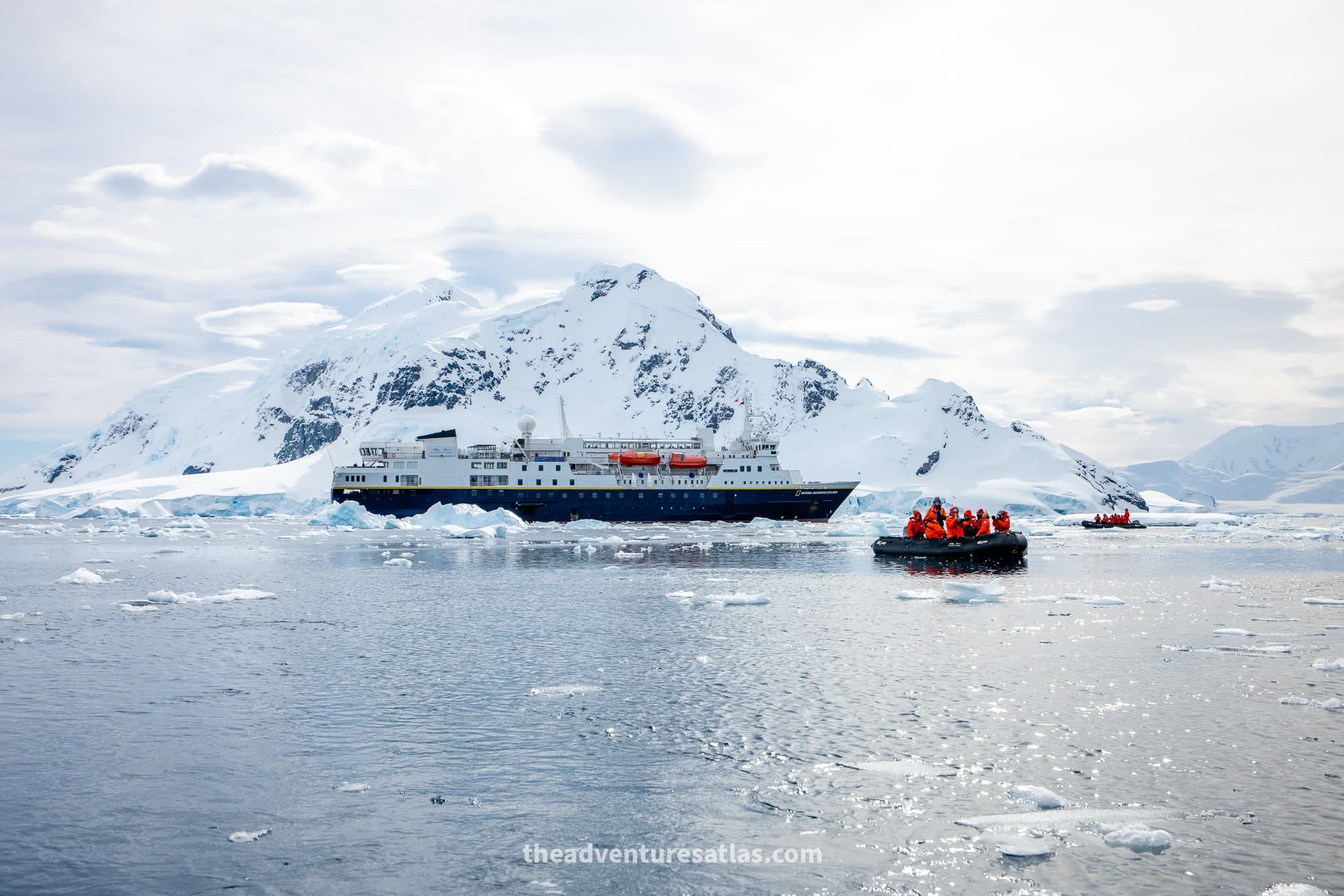
1. It’s an Expedition, Not a Cruise
Even if your ship is super fancy, a trip to Antarctica isn’t a luxury cruise with a fixed itinerary – it’s a true expedition driven by weather, ice, and wildlife. All of which are unpredictable.
Plans change daily (sometimes hourly) and flexibility is part of the deal. The payoff with having a flexible schedule is that those adjustments can also work in your favor to give you more time on shore, better wildlife enocunters and access to places traditional ships simply can’t reach.
One of the biggest questions people have at this point is how physically demanding this actually is. If you’re trying to figure out whether you’re “fit enough” for Antarctica, I break it all down in my guide on how hard it is to visit Antarctica and how fit you need to be.
2. The “Drake Shake” Is Famous, but the “Drake Lake” Is More Common
The Drake Passage has a dramatic reputation (for good reason), but extreme conditions aren’t guaranteed. Something that we didn’t know was that many crossings are actually pretty calm, especially later in the season! You just don’t see that part on social media because calm seas don’t make for great content.
That said, you should still come prepared with seasickness medication and start taking it BEFORE you feel sick.
3. You Don’t Need to Pack Nearly as Much as You Think
This is a big one. I brought a full suitcase and just ended up wearing the same few pieces on repeat, which was actually pretty annoying because I just kept thinking how I was lugging things around with me for no reason.
The biggest mistake people make is packing for variety instead of function. The ship is NOT a fashion show and you’ll end up creating your own uniform of gear and layers to put on twice a day for every outing. You also won’t sweat much, so you can wear the same clothes for several days without needing to wash them.
With a few merino wool base layers, a fleece, and waterproof shells, you’ll be covered for almost everything.
Most expedition companies provide the bulkiest and most expensive items (a heavy-duty parka and muck boots), which eliminates the need to bring your own winter jacket or hiking boots.
I created a free Antarctica packing list so you know exactly what to bring (and what to leave at home)👇
4. Biosecurity Is a Big Deal (Get Ready to Vacuum)
Biosecurity is taken incredibly seriously in Antarctica, and for good reason! One stray seed or piece of dirt can permanently impact the fragile ecosystem and harm wildlife.
Before you arrive in Antarctica, you’ll have to vacuum your outerwear, backpacks, anything with Velcro, and scrub your boots if they’re not brand new. After every landing, you’ll disinfect your boots once you get back on the ship.
You’re also not allowed to place anything on the ground, including camera gear. This is why tripods are impractical in Antarctica and it’s better to just leave them at home.
5. South Georgia Is the Real Star of the Show
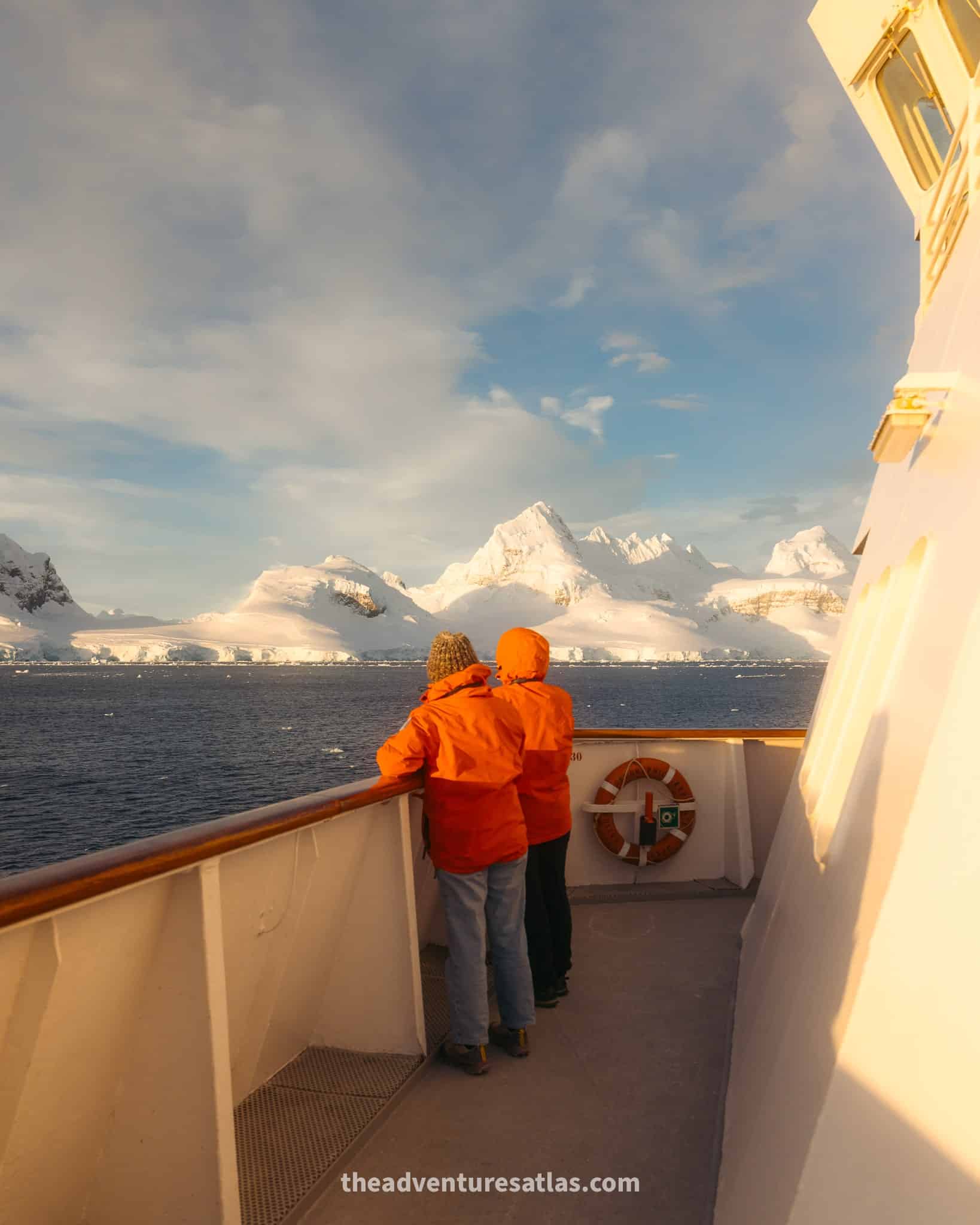
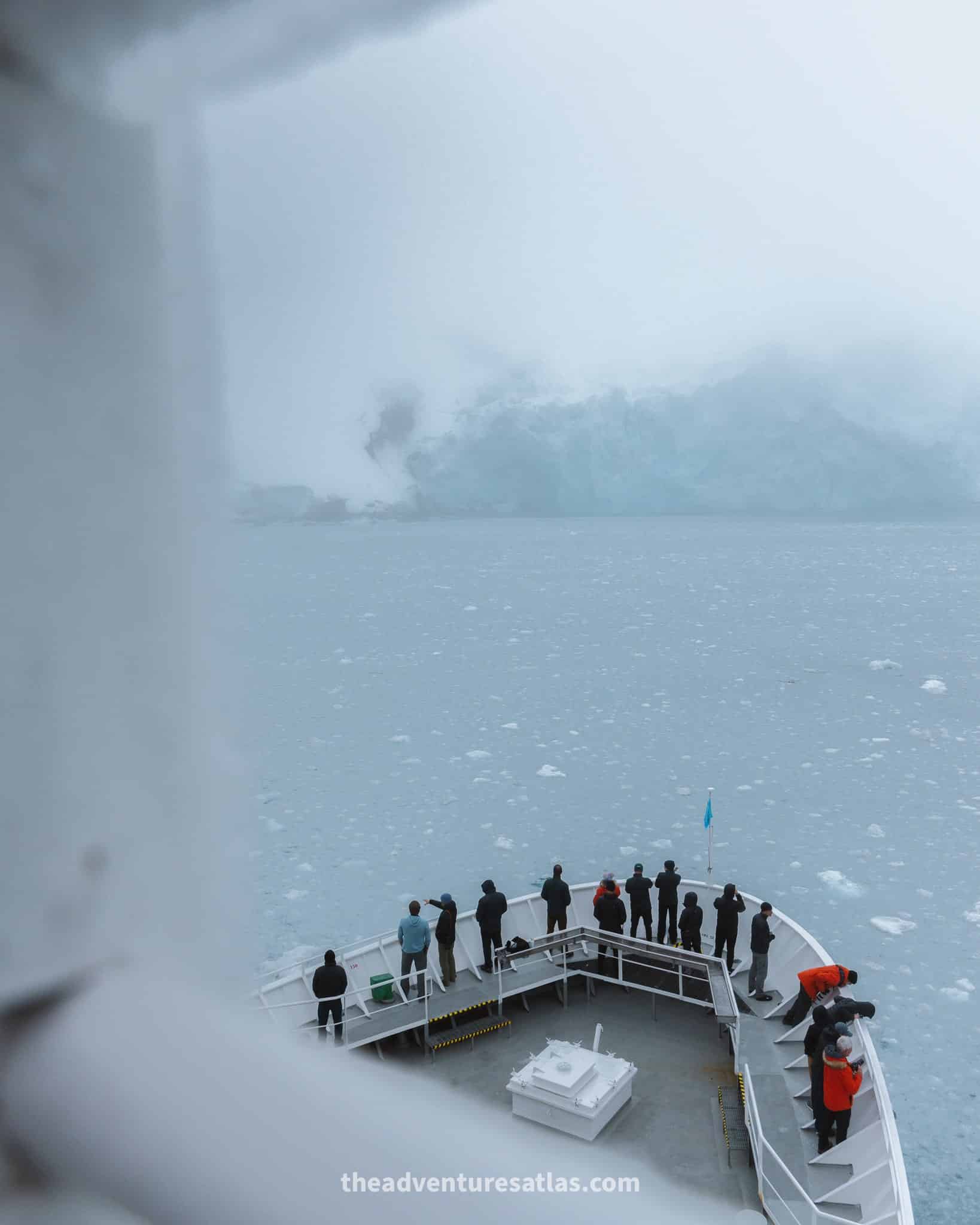
Antarctica is stunning, but South Georgia is on an entirely different level.
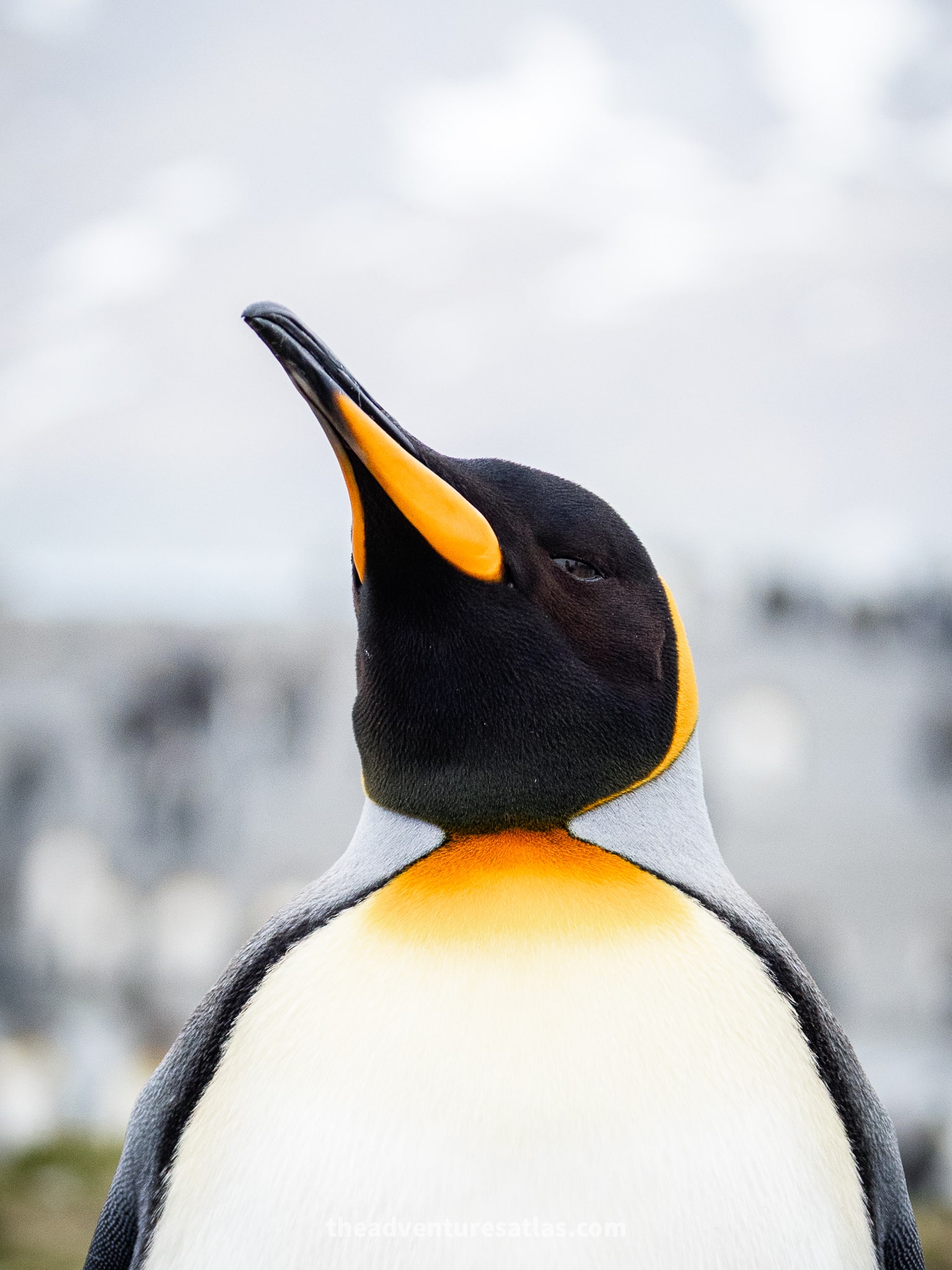
The density of wildlife – massive king penguin colonies, elephant seals, and nonstop movement – is so overwhelming. A lot of people cry when they first see it. I know I did.
If you’re debating whether the longer itinerary is worth it, South Georgia alone makes a strong case.
6. It’s Not Actually That Cold
Okay, this one is subjective depending on where you live, but I personally expected brutal, unbearable, bone-chilling cold…and that wasn’t my experience at all.
We visited October-November and temperatures hovered right around freezing on most days. With proper layers, I was often comfortable or even a little too warm. Wind matters far more than temperature, which is why good windproof shells matter more than bulky insulation.
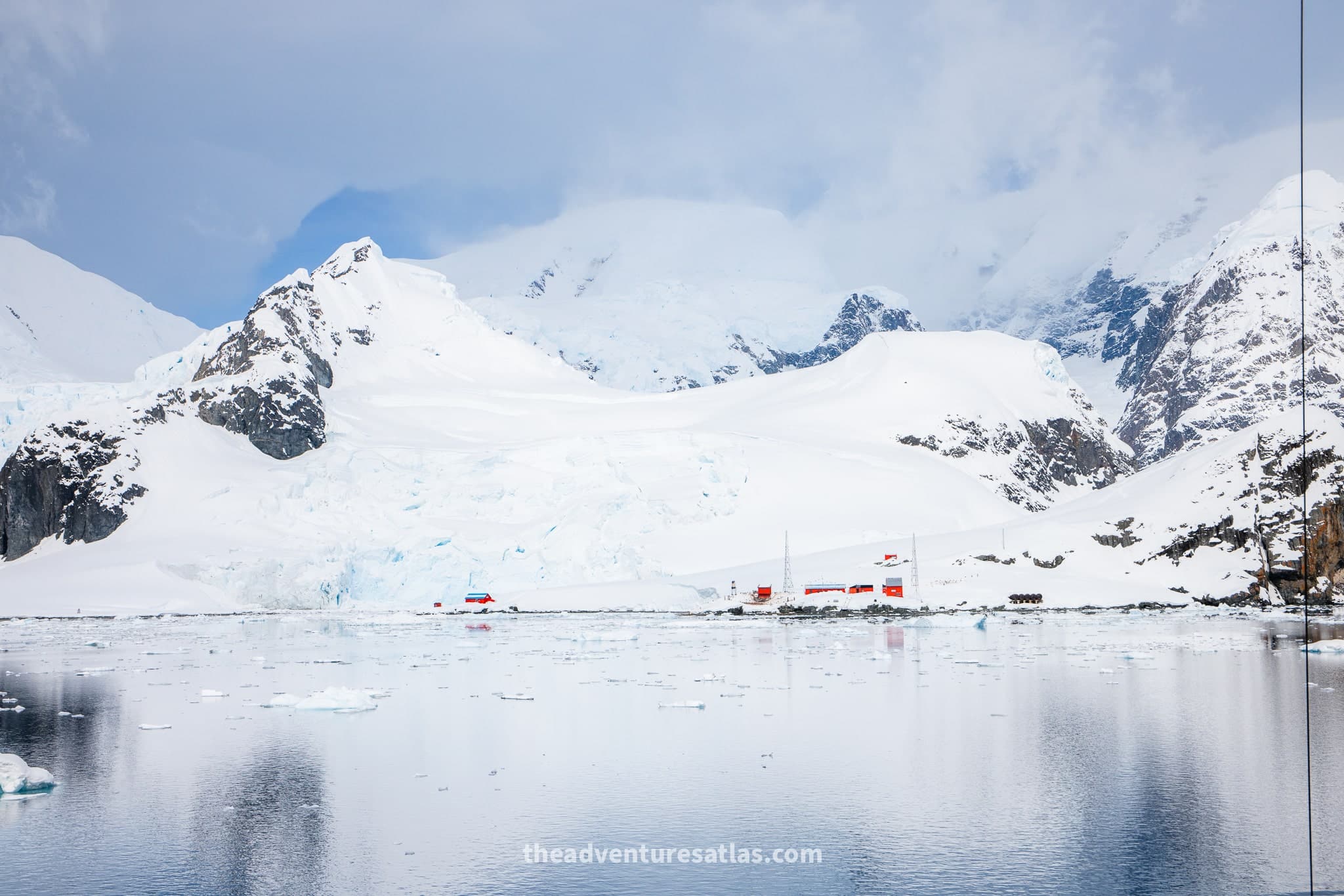
It’s hard to fully describe the scale of this place until you see it, so I put together a collection of my favorite photos that show what Antarctica actually looks like in real life.
7. The Sun Is More Brutal Than the Cold
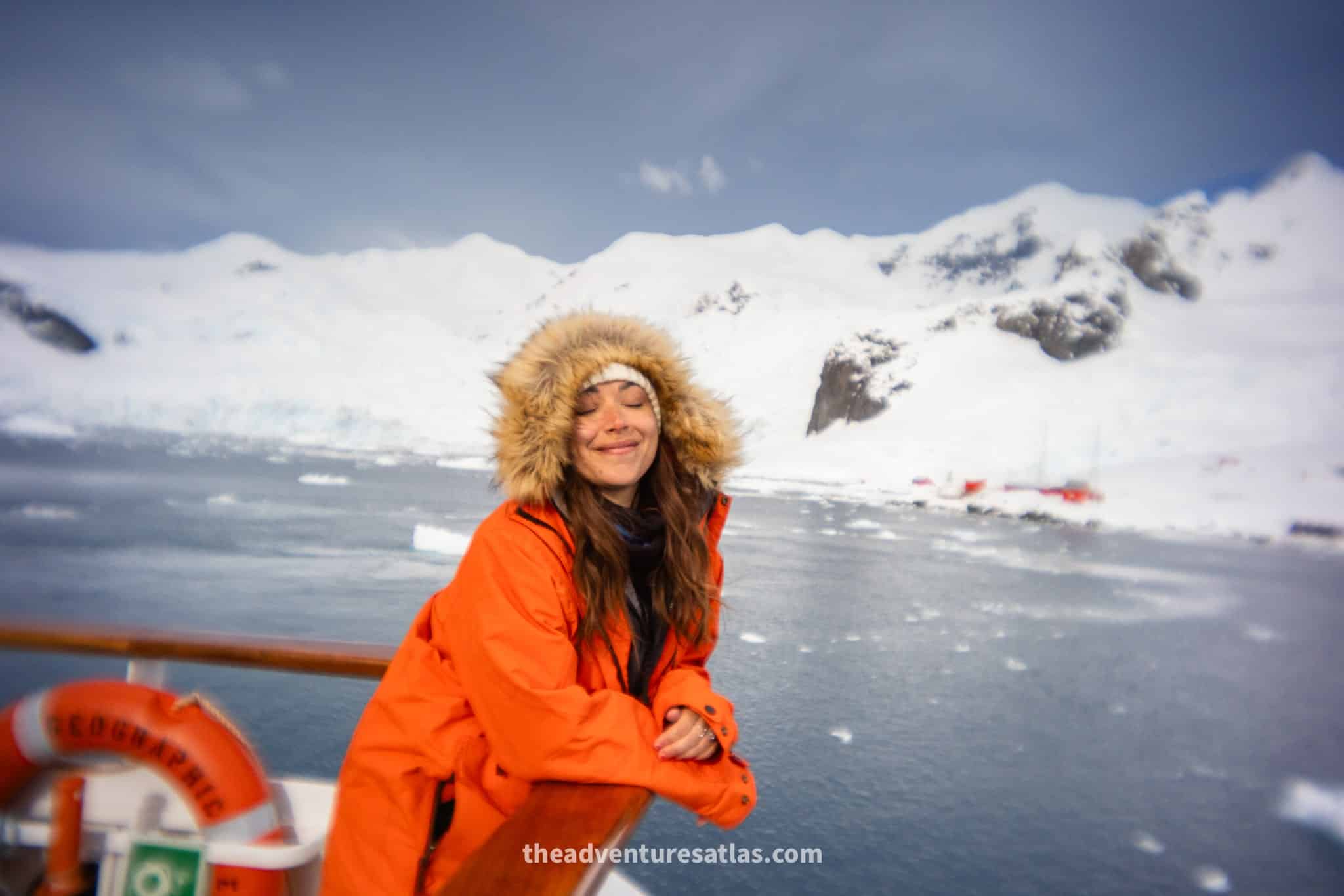
Your expedition staff will advise you to wear sunscreen every day, and it’s very important that you listen to them.
The thinner ozone layer and intense reflection off snow and water make the sun surprisingly harsh. I underestimated sunscreen and paid for it early in the trip. High-SPF sunscreen, SPF lip balm, and polarized sunglasses are essentials, even on overcast days.
8. You’ll Live in Two Pairs of Shoes: Rubber Boots and Slippers
You’ll wear muck boots for every landing – no exceptions. Back on the ship, you’ll be happy to have cozy slippers or camp shoes to slip on after spending hours in your heavy boots. I brought Ugg boots and they were perfect to wear every day on the ship.
Other than muck boots and boat shoes, you’ll want a pair of sneakers or something for walking around Buenos Aires and Ushuaia. Everything else you pack footwear-wise is mostly unnecessary for Antarctica.

9. The Days at Sea Are a Highlight, Not a Drag
I worried the sea days would feel long or boring, but they became some of my favorite parts of the trip. Between lectures, wildlife sightings, photography workshops, and time on deck, the days fly by. The time you spend in lectures and workshops while you’re at sea gives context to everything you see once you’re on land.
10. You Need to Give Penguins the Right of Way
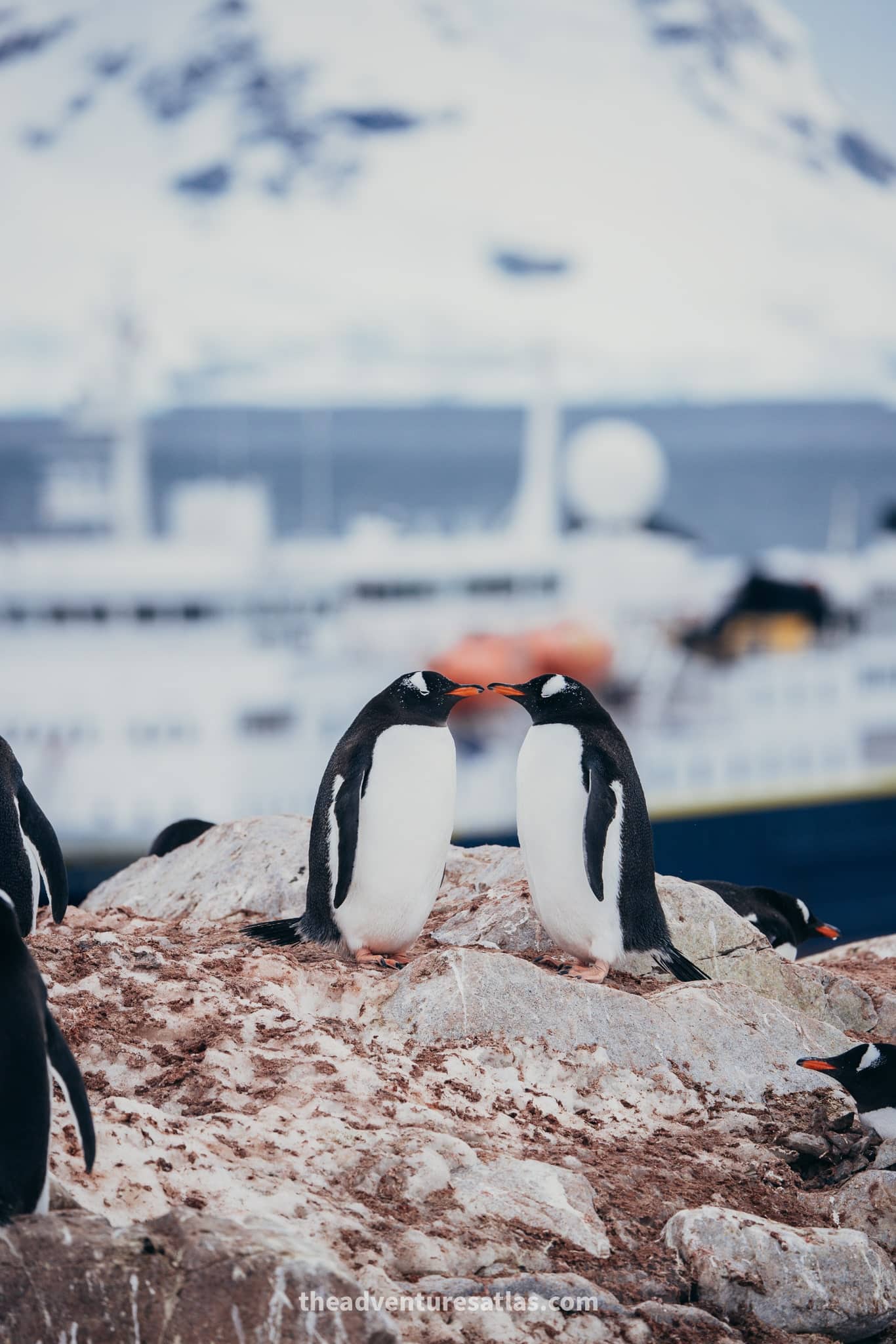
Penguins have absolute priority at all times.
You’re required to stay at least 5 meters (15 feet) away, move slowly, and let wildlife control the flow of traffic. That said, the wildlife truly doesn’t care about you. They’ll just casually waddle by and often approach despite your best efforts to maintain distance.

11. It’s a True Digital Detox (and That’s a Good Thing)
Starlink WiFi does exist on some ships, but it’s slow, unreliable, and limited (as you can probably imagine). It’s really only good enough for texting and answering some emails, which is nice to be able to stay in touch with family.
After a few days, you stop checking your phone and start paying attention instead. Being fully present in a place this remote is one of the most underrated parts of the experience.
12. Laundry Will Cost You a Fortune
Laundry services on expedition ships are expensive! One small load of underwear, socks and baselayers cost us nearly $50 each. This is why merino wool layers are so valuable! You can easily wear the same layers for a few days at a time before they start to smell.
After our first load of laundry, we just decided to save money by hand washing socks and undies in our cabin. The air on board is pretty dry, so things dry fast overnight.
13. You’ll Have to Close Your Window Shades at Night
I found it interesting that your window shades are required to be closed at night. It reduces light pollution, which can disorient wildlife and interfere with nighttime navigation and wildlife monitoring. The good thing is that we didn’t have to remember to close them because turn down service stopped by our room every night and closed the shades for us.
It’s a small rule, but it reinforces how seriously Antarctica operators take environmental protection. If you’re hoping to fall asleep staring at icebergs, this one can catch you by surprise.

14. It’s a Serious Investment, but It’s All-Inclusive
Visiting Antarctica isn’t cheap, but the price tag can be misleading because you really do get a lot for your money.
Your expedition fare includes accommodations, meals, excursions, guides, lectures, charter flights, and even tips. Once you’re onboard, there are very few surprise expenses.
15. You’ll Become a Citizen Scientist
Expeditions rely on citizen science to collect far more data than a small research team could alone, especially in remote places like Antarctica.
While you’re there, you’ll help log whale sightings, penguin counts, and environmental observations used to track population trends and climate impacts. Combined with strict biosecurity and wildlife rules, it makes you an active participant, not just a passive visitor.
16. You Can Find Great Deals on Cruises
One last thing worth knowing: The cost to visit Antarctica varies A LOT by season, route and timing. I’m talking a difference of tens of thousands of dollars.
Early season (October–November) and late season (February–March) are usually the cheapest times to go and prices shift significantly depending on demand. Sometimes you can get a really great deal by booking far in advance OR by staying flexible enough to grab a last minute departure if the ship needs to fill cabins.
aIt’s not guaranteed, but it does happen – especially if your dates and cabin preferences are flexible.

17. IAATO Matters
International Association of Antarctica Tour Operators (IAATO) governs everything tour operators can and can’t do in Antarctica. They set strict rules around landing limits, how far you have to stay from wildlife, biosecurity, environmental protection and how ships coordinate daily activities to avoid overcrowding sensitive areas (above and beyond basic permitting under the Antarctic Treaty).
Choosing an expedition that’s part of IAATO is the clearest signal that your trip is being run responsibly and means your trip follows science backed protocols designed to minimize human impact.
Not all Antarctica operators are legally required to be IAATO members, but almost all reputable expedition companies are. While it’s technically possible to visit Antarctica through private or niche expeditions that operate outside IAATO, those trips are far less common and often cater to highly specialized travelers.
18. It Will Ruin You for All Other Trips
This trip permanently resets your travel baseline. The scale, remoteness, and depth of experience are nearly impossible to compare to anything else. Once you’ve been to Antarctica, “once-in-a-lifetime” takes on a very specific meaning.
***
Okay, so now that you know what to expect when you’re in Antarctica, here’s where to go next:
- For a deep dive into our full journey, read my Ultimate 22-Day Antarctica Expedition Guide
- To figure out exactly what to pack, check out my Complete Antarctica Packing List
- Get excited for your trip with this collection of 51 Photos That Will Convince You to Visit Antarctica
- For all my camera tips and tricks, here’s my Antarctica Photography Guide [coming soon].
Did this post help you feel more prepared for Antarctica? If you still have questions or want me to cover something I missed, let me know in the comments!

Hi, I’m Jackie! I’m a travel photographer and content creator based near the Adirondack Mountains of Upstate New York. I’m also a millennial who works full-time, yet I still find ways to travel frequently without breaking the bank, because traveling is what makes me feel most alive. Now I help fellow travelers who also work 9-5 and are looking for ways to travel more with limited PTO.
Related Posts

WANT TO SAVE MONEY TRAVELING?
Check out my list of reliable budget-friendly travel resources that are guaranteed to save you the most money, without compromising your experience.